Why Kubernetes Review Breaks Down in Platform Engineering
AI can draft manifests, edit Helm templates, and propose CI changes in seconds. In Kubernetes environments, that speed often outruns review quality.
People are the problem, the reason in all the breakage we’re having.
— Viktor Farcic
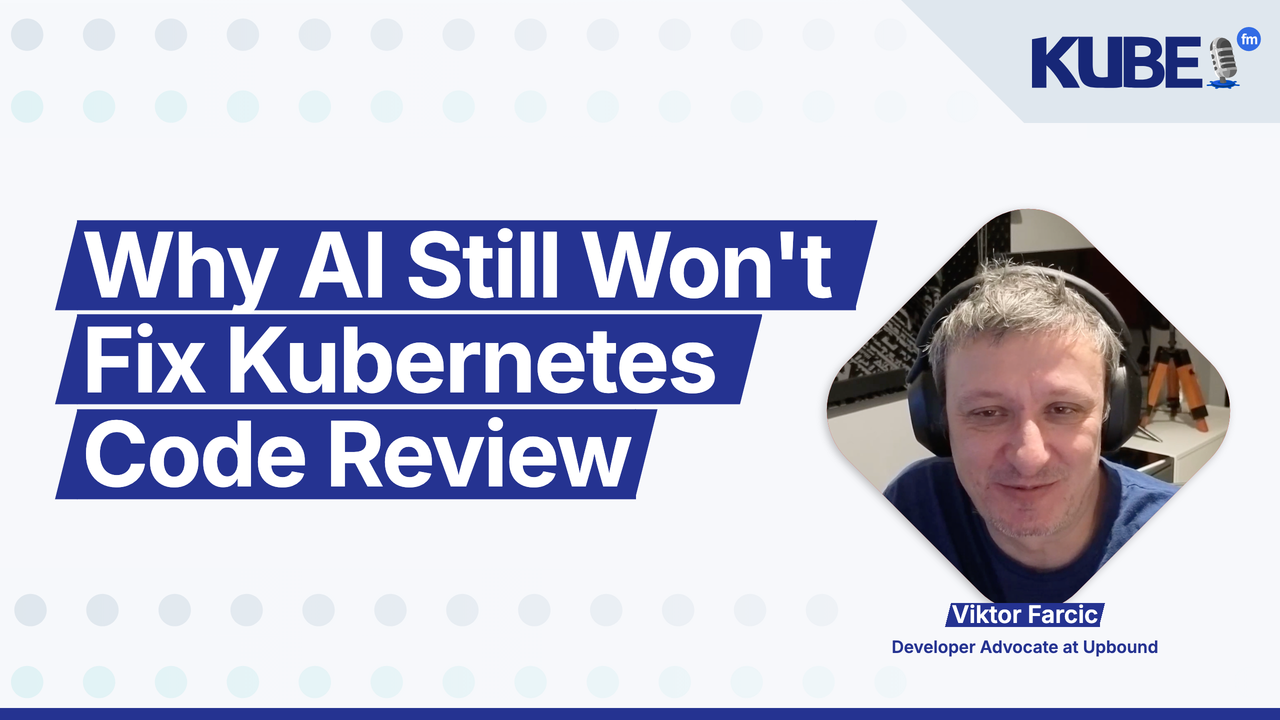
Viktor says people are the problem. Qodo helps your team focus on the changes that actually need human judgment.
Where Kubernetes review breaks
Kubernetes changes rarely live in one place. A single pull request can include app code, YAML, Helm, CI workflows, and policy updates. Teams can review each piece in isolation and still miss the runtime risk created by their combination.
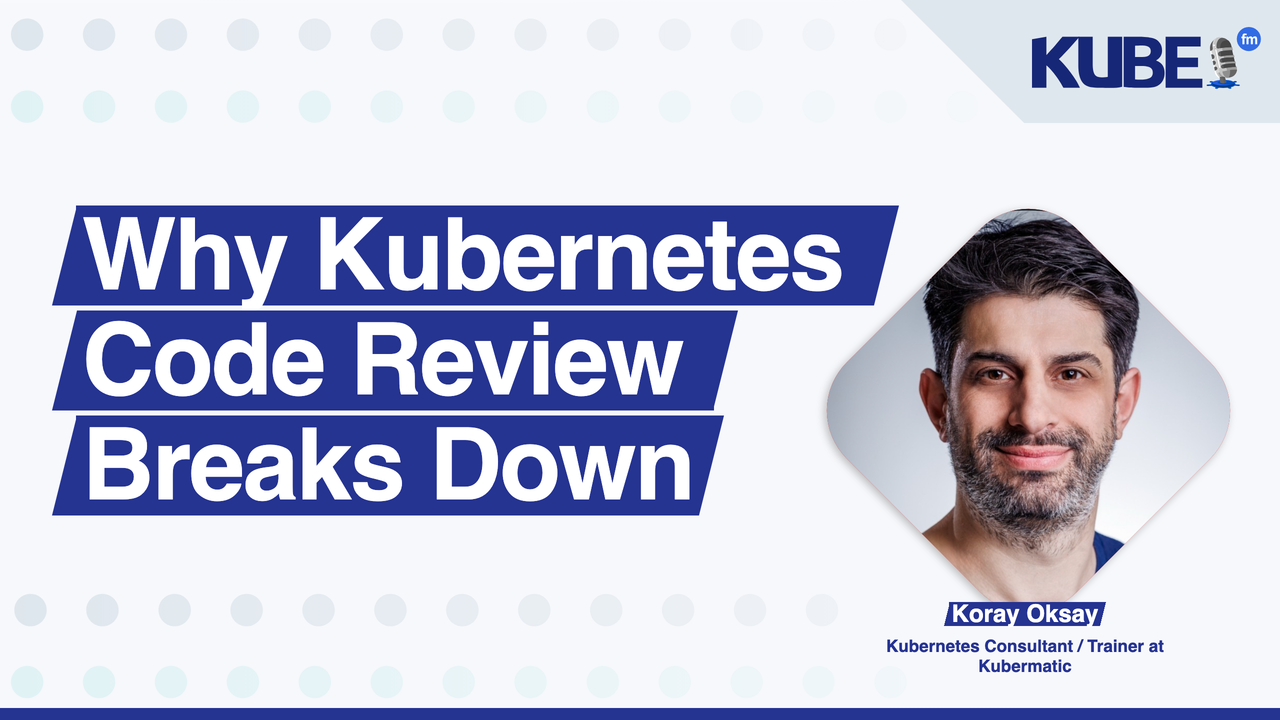
Koray Oksay describes this as a boundary problem: mixed pull requests create blind spots that normal application-code review does not catch.
Watch the interview →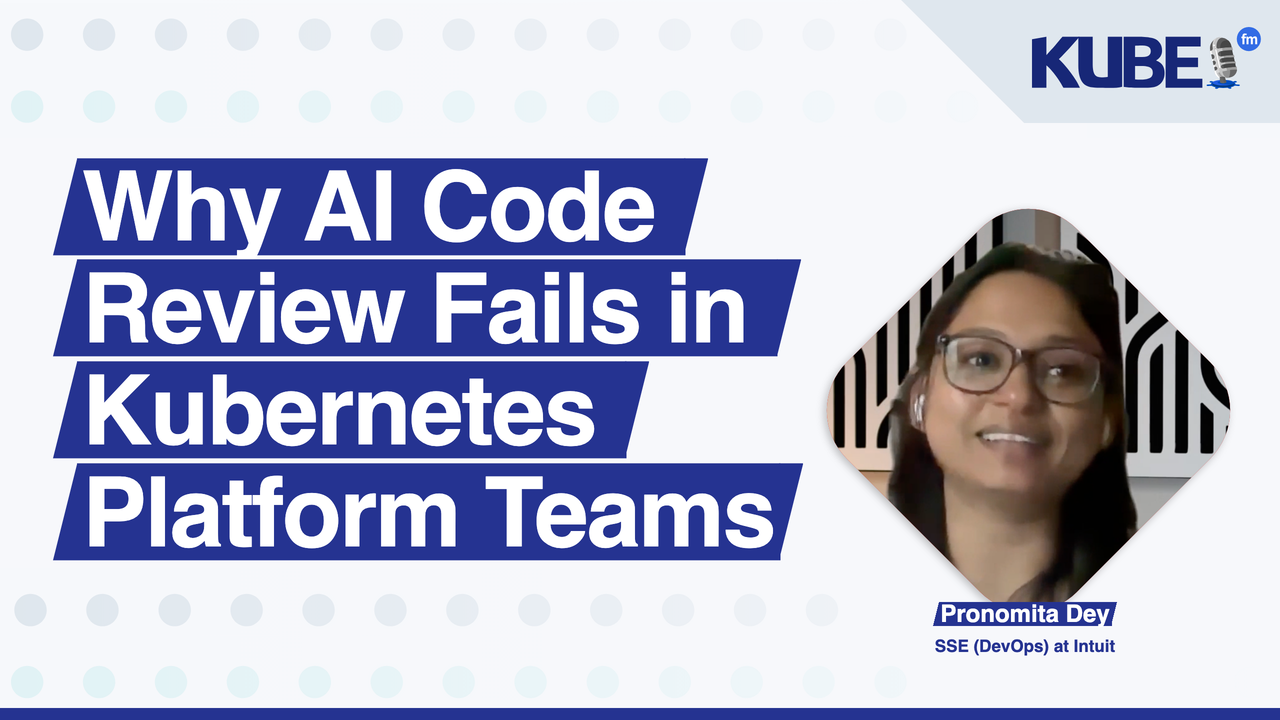
Pronomita Dey reinforces the same issue from a platform-team perspective: teams apply strict standards to app code while YAML and Helm receive lighter scrutiny.
Watch the interview →Why AI increases review pressure
AI makes infrastructure changes easier to produce. That is useful, but it also increases review volume and raises the cost of weak governance.
Andrew Block focuses on the human check: generated infrastructure can be fast, but production trust still depends on human judgment and clear responsibility.
Watch the interview →
Artem Lajko focuses on governance: teams need explicit guardrails for AI-generated manifests, policies, and deployment changes before anything reaches production.
Watch the interview →What better review systems look like
More automation does not remove the need for better process. It makes better process non-negotiable.
Henrik Rexed highlights a practical direction: Kubernetes-heavy systems need specialized review lanes, not one generic reviewer for every type of change.
Watch the interview →When AI writes the code, who catches the risk?
Qodo sponsored this series because the page thesis is their thesis too: weak review systems, not missing generation, cause most Kubernetes failures. Their platform helps teams focus human judgment where it matters most.
Learn more about Qodo