Bart Farrell: Who are you? What's your role? Where do you work?
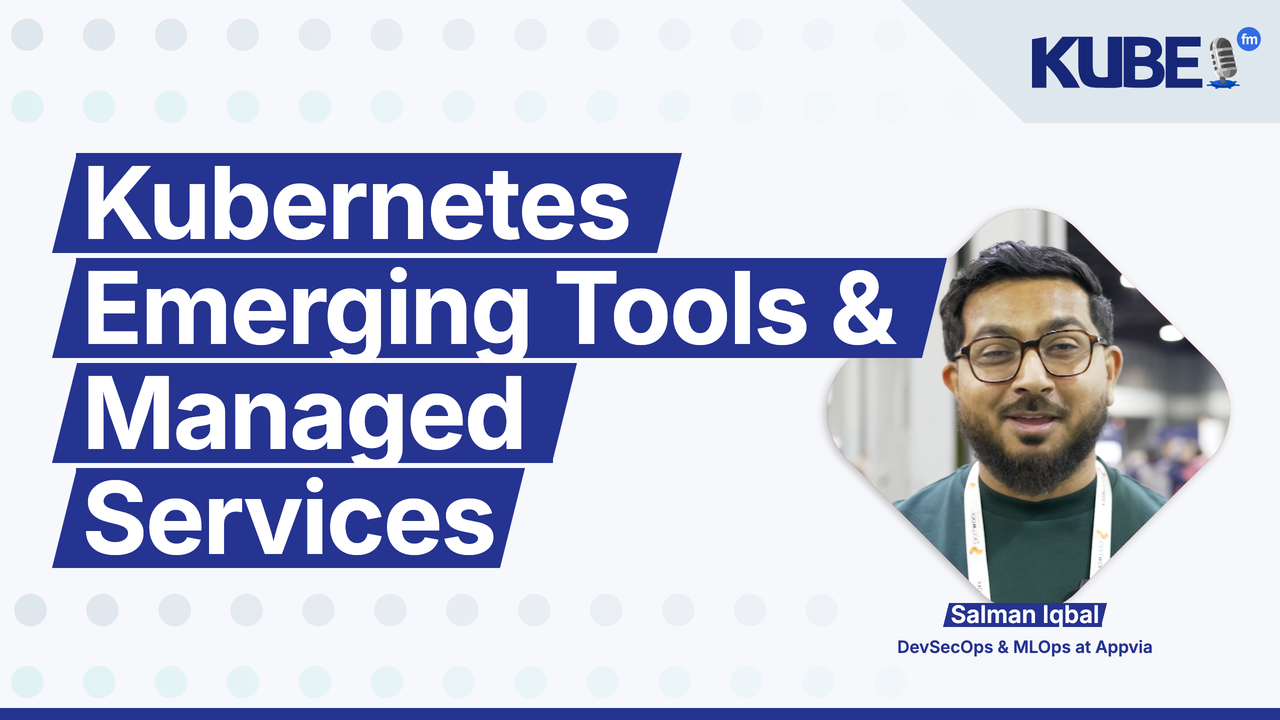
Salman Iqbal: Hi, my name is Salman Iqbal and I'm an instructor at LearnKube, and I'm also a DevOps consultant for Esynergy.
Bart Farrell: What are three Kubernetes emerging tools that you're keeping an eye on?
Salman Iqbal: At the moment, it's all about auto-scaling, so I'm looking at tools like KEDA and they're backed with AI, updates.
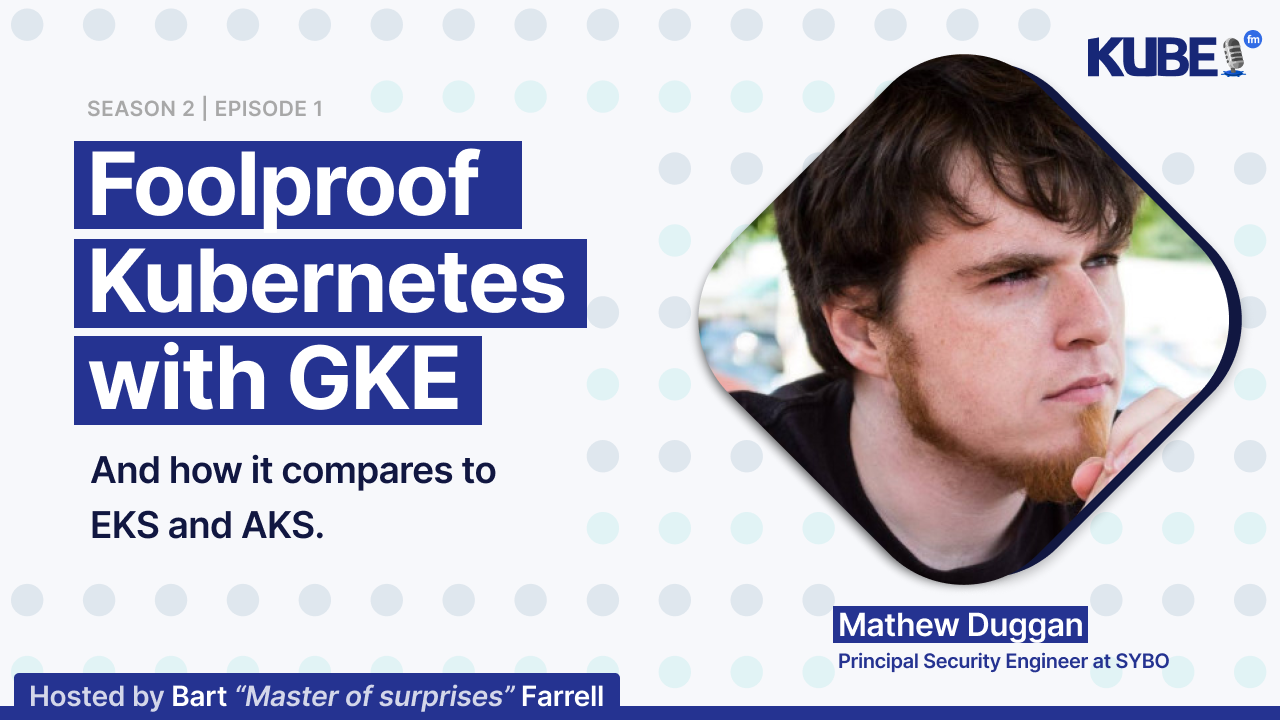
Bart Farrell: Our podcast guest, Matt, argues that GKE is one of the best Kubernetes-managed services because a lot of complexity is taken away from you. For example, he mentioned autopilot as a way to provision the correct node size and optimize your CPU utilization automatically. What's your opinion on Kubernetes-managed services?
Salman Iqbal: Absolutely. Kubernetes-managed services, be it Google, AWS, or, AKS, they do take away a lot of complexity of getting it up and running and applying best practices. So you should definitely use one of the managed services. Which one you use is entirely up to you. And all these managed services have reasonable amount of features available for you to work. And 95% of the time, you can pick any one of these and it will work. But they take away a lot of complexity to get it up and running and run and maintain your clusters moving forward.
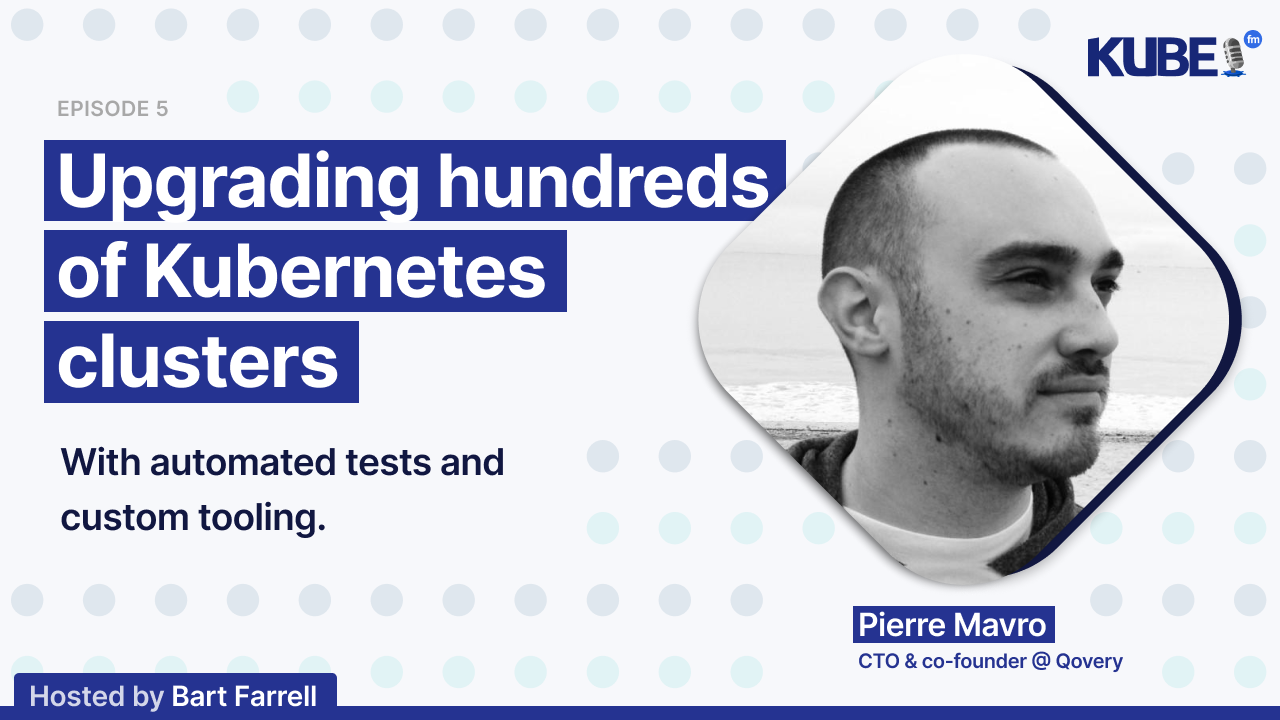
Bart Farrell: Pierre discussed how upgrading a Kubernetes cluster involves more than just a control plane and nodes. It also involves all the tools installed in it, such as the Ingress Controller, Prometheus, and more. What tools do you use and recommend for upgrading a cluster?
Salman Iqbal: So I always recommend that the cluster should be upgraded in a test environment. So don't ever upgrade in production straightaway. There are some tools for... There is a tool called Pluto. You can just search Pluto Kubernetes, that you can run against your, source control and it will tell you which of the resources are going to be deprecated. So you can always plan beforehand if an API is changing to run this tool against your source control, all your resources within, Git, and it will tell you if any of these resources are going to be deprecated.
Bart Farrell: Kubernetes turned 10 years old last year. What should we expect in the next 10 years?
Salman Iqbal: In the next 10 years, I expect the space to grow even bigger than what it is today, because with all the tooling. My hope, I hope it becomes easier for people to get onto the cloud native journey. That's my hope.
Bart Farrell: What's next for you, Salman?
Salman Iqbal: I'm out here in KubeCon with Bart, the super host, and Amin, the, the vice super host. Uh, we're going to go and do some YAML games in a little while. I'm going to I'm going to go and see some fish at an aquarium. And, yeah, meet a bunch of other people and also learn about all the workflows, improvements that are happening in for cloud native space.